


High-end Mediterranean interior design is a refined, timeless way of shaping a home around the light, landscape and craftsmanship of the Mediterranean. It brings together natural materials — stone, lime, wood and linen — with a calm, warm palette and a deep respect for natural light, creating interiors that feel serene and quietly luxurious rather than decorative or “themed.” Done well, it is not a holiday aesthetic. It is a sophisticated, enduring style for people who want a home that feels effortless, grounded and elegant for decades, not for a season.
As an interior designer working between Barcelona and the international market, this is the language I design in every day. Below, I explain what separates true high-end Mediterranean design from generic coastal decor — and how to know whether it suits your home.
What “high-end Mediterranean” really means
The Mediterranean has always been about a feeling: warmth, openness, a slower and more sensory way of living. High-end Mediterranean interior design distills that feeling into spaces with restraint and intention.
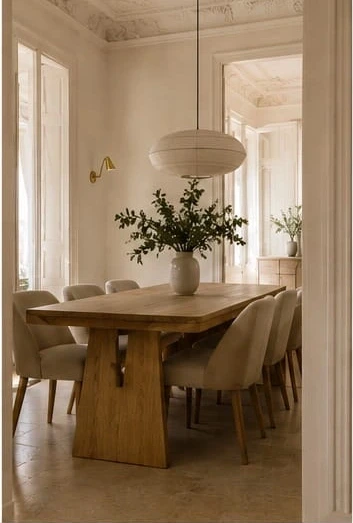
The “high-end” part is essential. It signals craftsmanship over trend, and quality over quantity. Instead of filling a room with motifs that announce “the coast,” a luxury Mediterranean interior relies on a few honest materials, beautifully executed: a hand-troweled lime wall, a solid oak table with visible grain, a stone floor that will age gracefully. Nothing shouts. Everything is considered.
It is also deeply connected to place. A Mediterranean luxury interior responds to its surroundings — the angle of the sun, the colours of the local stone, the way a breeze moves through a home. That sense of belonging is what makes the style feel timeless rather than copied.
The key elements
A handful of principles run through every high-end Mediterranean project.
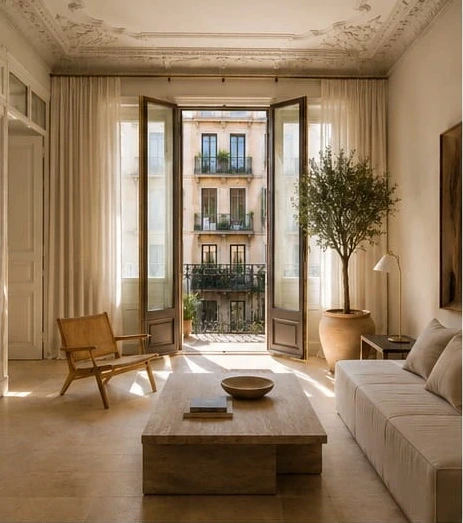
Natural light as the protagonist. Light is the most important “material” in Mediterranean design. Rooms are arranged to welcome it, surfaces are chosen to soften and reflect it, and window treatments stay light and unfussy. The goal is a warm, golden quality of light that changes through the day and makes the space feel alive.
Natural materials. Stone, lime plaster, wood and linen form the core palette. These materials are tactile, breathable and imperfect in the best way — they carry texture, depth and a sense of having been made by hand. Travertine, terracotta, raw oak, woven jute and washed linen are recurring favourites. Their imperfections are the point: they bring soul.
A calm, warm palette. Colour stays grounded and serene — soft whites, sand, ecru, clay, olive and muted terracotta, with the occasional deeper accent drawn from nature. The palette never competes with the materials or the light; it lets them lead.
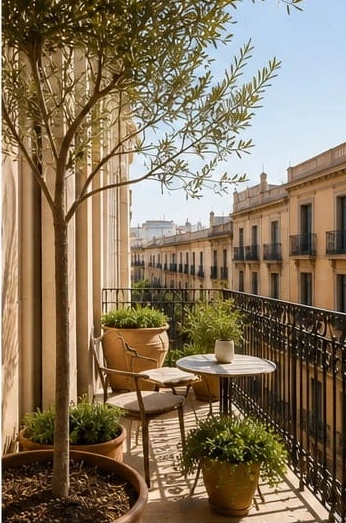
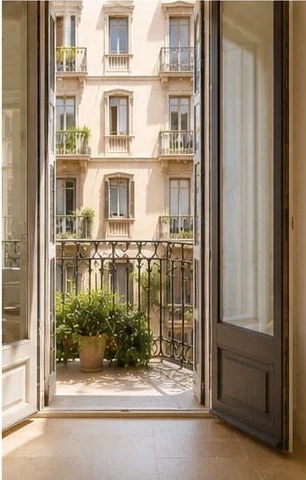
Indoor–outdoor living. Mediterranean homes blur the line between inside and out. Terraces, courtyards and large openings extend the living space, and interior materials often continue outdoors so the two flow as one. Even in a city apartment, this principle shows up as a strong connection to a balcony, a green view or abundant daylight.
Together, these elements create interiors that feel both luxurious and deeply liveable.
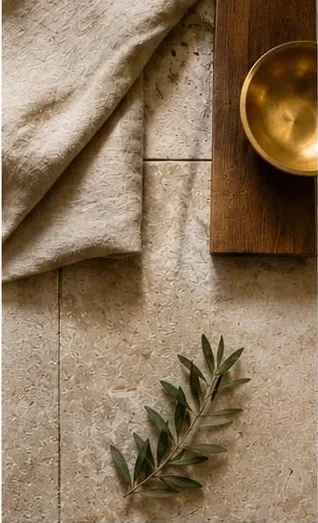
High-end Mediterranean vs. coastal or boho — the difference
This is where most people get confused, so it is worth being precise.
Coastal style leans on a literal seaside narrative: blues and whites, nautical references, breezy and casual. It is pleasant, but it is also generic and easy to date. High-end Mediterranean is warmer, earthier and far more restrained — it evokes the land of the Mediterranean as much as the sea, and it never relies on themed motifs to communicate.
Boho style is layered, eclectic and pattern-rich, built on collected, free-spirited maximalism. High-end Mediterranean is the opposite instinct: edited, calm and architectural. Where boho adds, Mediterranean luxury removes.
Rustic interpretations treat the style as rough, heavy and country-like. True high-end Mediterranean is refined. The materials may be natural and textured, but the execution is precise, the proportions are elegant, and the result reads as sophisticated rather than rural.
In short: coastal is a theme, boho is a mood board, rustic is a texture. High-end Mediterranean is a discipline — timeless, material-led and quietly confident.
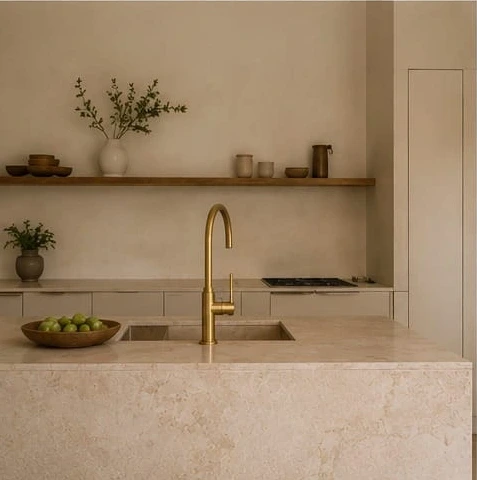
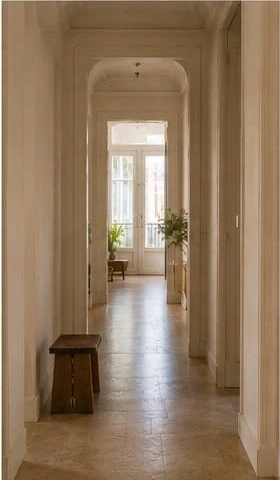
How I apply it in a Barcelona home
People often assume this style only belongs in a villa by the sea. It doesn’t. Some of my most rewarding projects are urban apartments in Barcelona, where the Mediterranean spirit works beautifully within four city walls.
In a recent Barcelona project, the brief was a classic Eixample apartment that felt dark and closed off. Rather than impose a coastal theme, I worked with what the building already offered: high ceilings, original mouldings and tall windows facing an interior courtyard.
We began with light. By keeping window dressings minimal and choosing soft, reflective lime-plaster walls in a warm off-white, the existing daylight was amplified and given a golden tone. The flooring set the foundation — a natural stone with subtle movement that grounds every room and connects them visually.
Materials did the rest of the talking. A solid oak dining table, linen upholstery in sand and clay tones, and a few honest brass details added warmth without clutter. The palette stayed serene throughout, so the eye could rest. We extended the living area onto the small balcony with continuous materials and planting, creating that essential indoor–outdoor flow even in the centre of the city.
The result feels unmistakably Mediterranean — calm, warm, elegant — yet entirely at home in an urban setting. That adaptability is one of the style’s greatest strengths.
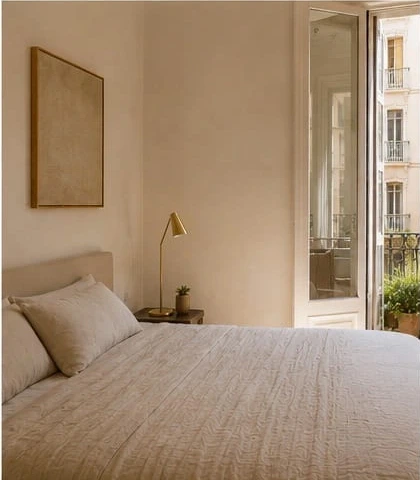
Is this style right for your home?
High-end Mediterranean interior design is for you if you want a home that feels calm rather than busy, timeless rather than trend-led, and luxurious in a quiet, tactile way. It suits people who value natural materials, appreciate craftsmanship, and want interiors that age beautifully instead of needing to be refreshed every few years.
It works whether you are designing a coastal villa, a country house or a city apartment, because at its heart the style is about light, materials and restraint — not a fixed set of objects. If you are drawn to warmth, serenity and understated elegance, it is very likely the right direction for your home.
If you would like to explore how high-end Mediterranean design could shape your own space, book a consultation and we can discuss your home, your light and the materials that would suit it best.
Frequently Asked Questions
What defines high-end Mediterranean interior design?
High-end Mediterranean interior design is defined by natural materials, a calm and warm palette, an emphasis on natural light, and a refined, timeless execution. It captures the sensory, relaxed spirit of Mediterranean living through craftsmanship and restraint rather than decorative themes, resulting in elegant, enduring interiors.
What materials are typically used?
The core materials are stone, lime plaster, wood and linen, often joined by travertine, terracotta, raw oak, jute and brass. These natural, tactile materials bring texture, warmth and depth, and they age gracefully — which is central to the style’s timeless, luxurious feel.
How is it different from coastal or boho style?
Coastal style relies on a literal seaside theme of blues, whites and nautical references, while boho is eclectic, layered and pattern-rich. High-end Mediterranean is warmer, earthier and far more restrained — edited, material-led and architectural, evoking the Mediterranean landscape without relying on themed motifs.
Does it work in apartments, not just villas?
Yes. While it suits villas beautifully, high-end Mediterranean design adapts perfectly to apartments. Because the style is built on light, natural materials and restraint rather than a fixed look, it can transform an urban flat into a calm, warm and elegant home — as it does in many Barcelona projects.