



Timeless elegance in interior design is the art of creating rooms that still feel refined and considered decades after they are finished. It rests on quality materials, balanced proportions, a restrained palette and classic principles that don’t depend on the trend of the moment — so the space ages gracefully instead of dating. A timeless interior isn’t frozen in the past; it simply avoids the fashions that will look tired in three years.
As a luxury interior designer, this is the philosophy at the heart of everything I create. In a culture that pushes a new “must-have” look every season, choosing timelessness is a deliberate — and financially smart — decision. Below, I explain what actually makes a design timeless, why chasing trends quietly costs you more, and how to bring lasting elegance into any room.
What makes a design timeless?
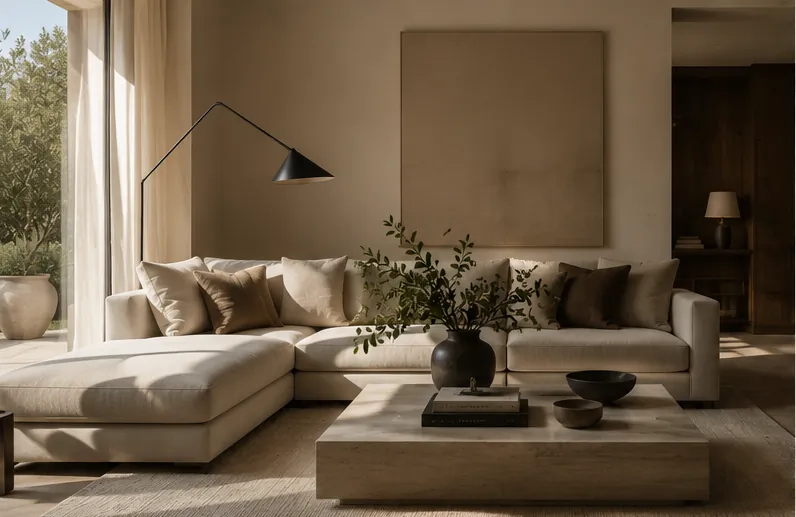
A timeless design is one whose appeal doesn’t rely on a specific era to justify it. Strip away the trend cues and it still works, because it’s built on principles rather than fashions: good proportion, honest materials, a coherent palette and quality craftsmanship.
A timeless interior doesn’t hide its influences or avoid iconic design. On the contrary, it often celebrates pieces that have already stood the test of time. What distinguishes it is that every choice is made for its lasting quality rather than its novelty. The result is a home that feels calm, considered and personal, where the eye keeps discovering craftsmanship and beauty instead of chasing the latest trend.
Crucially, timeless is not the same as safe or boring. A timeless interior can be bold, personal and full of character — the difference is that its character comes from proportion, material and light, not from a fleeting fashion it borrowed.
Timeless vs. trendy — and the hidden cost of trends
Trends are seductive because they’re everywhere and they feel current. The problem is that “current” has an expiry date built in. A trend-led room can look striking the year it’s finished and noticeably dated a few years later — which is exactly when it starts to feel like it needs redoing.
That’s where the hidden cost lives. Following trends turns your home into a subscription: every few years you repaint, replace, and refurnish to keep up, and each cycle costs money, time and disruption. It’s an expense that never really ends.
A timeless approach flips the maths. You invest once in the things that last — good bones, quality materials, well-proportioned pieces — and then you don’t have to keep starting over. Trends can still appear, but in the layers that are cheap and easy to change: a cushion, a throw, an accessory, a coat of paint on a single wall. The foundation stays; the seasoning changes. That’s the sustainable, elegant way to enjoy something new without rebuilding the room.
The pillars of timeless interiors
Four principles underpin nearly every timeless space.
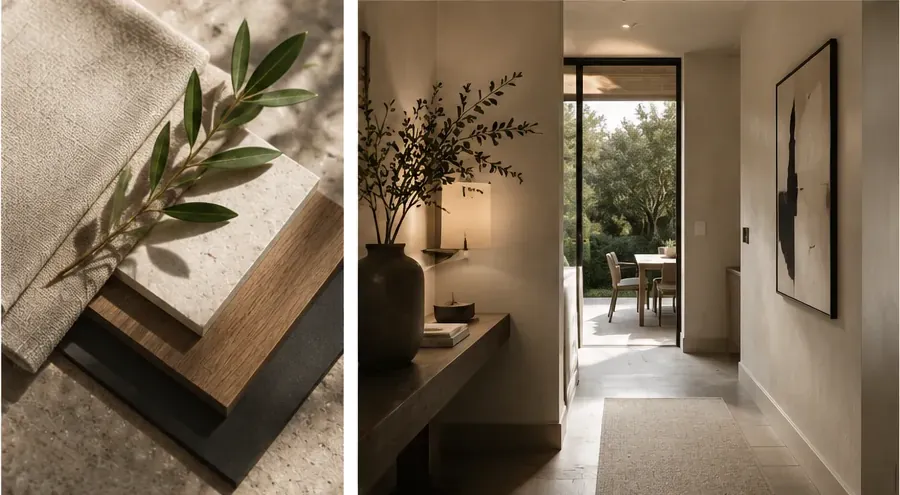
Quality over quantity. A few beautifully made pieces will always outlast a room full of disposable ones. Well-constructed furniture, natural materials and considered finishes age with dignity; fast, low-quality items simply wear out and look it. Buying less, but better, is the foundation of a lasting interior.
Proportion and balance. More than any colour or object, proportion is what makes a room feel “right.” Furniture scaled to the space, balanced visual weight, and thoughtful negative space create a calm harmony you feel before you can name it. Get proportion right and even simple rooms feel elegant; get it wrong and no amount of decorating fixes it.
Restraint and a contained palette. Timeless interiors are edited. A cohesive, largely neutral palette — warm whites, soft earth tones, natural wood — gives a room longevity, because it doesn’t tie itself to a trend colour. Restraint doesn’t mean sterile; it means every element has room to breathe and nothing fights for attention.
Noble, natural materials. Stone, wood, linen, wool, plaster and metal that develop a patina only get better with age. Natural materials carry an inherent, quiet quality that synthetic, trend-driven finishes can’t fake — and they connect a space to something enduring rather than seasonal.
How to make any room timeless
You don’t need to start from scratch to move a room towards timelessness. A few decisions matter most:
- Invest in the anchors. Spend your budget on the pieces you’ll keep longest and use most — the sofa, the dining table, the bed, the flooring. Choose classic, well-proportioned shapes in quality materials, and let these set the tone.
- Neutralise the big surfaces. Keep walls, floors and large upholstery in calm, enduring tones. This is the backdrop that makes everything else look considered, and it’s what you least want to redo.
-
Build a timeless foundation, then let the layers evolve. Invest in enduring materials and well-made furniture, and introduce personality through styling, decorative objects, cushions or artwork that can be updated or curated over time without redesigning the entire room.
- Prioritise natural materials. Wherever you can, choose real wood, stone, linen and wool over synthetic look-alikes. They age better and instantly read as quality.
- Edit before you add. When a room feels off, the fix is usually removal, not addition. Clearing what doesn’t earn its place is often the single most elegant move you can make.
- Respect proportion. Before buying anything large, check its scale against the room. The right size in a modest piece beats the wrong size in an expensive one.
Applied room by room, these choices quietly compound into a home that feels coherent, calm and lasting.
Investing in timelessness
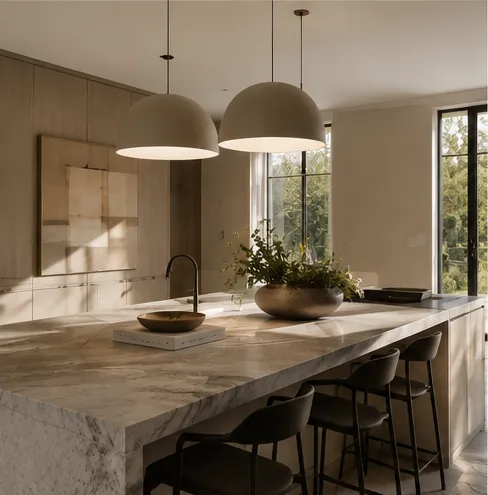
It helps to think of a timeless interior as an investment rather than an expense. The upfront cost of quality is real, but it’s spread across decades — while the trend cycle charges you again and again for the privilege of staying current.
There’s a quieter return, too. A home built on timeless principles is simply more pleasant to live in. It feels settled and personal, it doesn’t nag you to update it, and it holds its elegance through changing fashions. That sense of calm permanence is, for many of my clients, the real luxury.
Timelessness isn’t about resisting change — it’s about choosing where change belongs. Build the foundation to last, and let the details evolve. For a deeper look at how this plays out against specific fashions, see my piece on trends versus timeless design.
If you’d like help creating a home that stays elegant for decades rather than seasons, book a consultation and we can plan an interior built to last.
Frequently Asked Questions
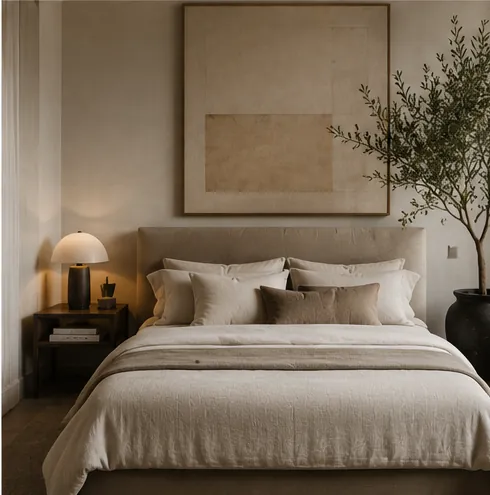
What is timeless interior design? Timeless interior design is an approach that creates spaces which remain elegant and relevant for decades rather than dating with fashions. It relies on quality materials, balanced proportions, a restrained palette and classic principles instead of trend-driven choices, so the room feels considered and refined long after it’s finished.
How is timeless design different from following trends? Trends are designed to feel current and therefore have a built-in expiry date, meaning trend-led rooms often look dated within a few years and need redoing. Timeless design invests in lasting foundations — good proportion, quality materials, a neutral palette — and confines trends to inexpensive, easily changed layers like cushions or accessories.
Is timeless the same as traditional? No. Traditional refers to a specific historical style, while timeless is a quality any style can have, including modern and contemporary interiors. A timeless room simply avoids fashions that date quickly; it can look classic or thoroughly modern, as long as it’s built on proportion, quality and restraint.
How do I make my home feel timeless? Invest in quality anchor pieces like the sofa, table and flooring; keep walls, floors and large surfaces in calm, enduring tones; choose natural materials over synthetic imitations; respect proportion and scale; and bring trends in only through cheap, swappable details. Editing what doesn’t belong is often the most elegant move of all.